
What is the recommended electrical safety device for all wet areas in a barn?
Select one answer.
Why a regular barn safety inspection matters
Most barn-related injuries to horses and handlers are preventable with consistent maintenance and a systematic approach to safety. A well-maintained barn is the foundation of horse safety, yet many common injuries occur in what should be the safest environment for your equine partners. Whether you manage a large facility or care for horses on your own property, implementing a regular inspection routine protects both horses and people.
This article provides a practical, actionable checklist you can use today to identify and address hazards in your barn. Focus on three critical areas: structural integrity, electrical and fire safety, and stall and aisle conditions.
Structural integrity: foundation, walls, and roof
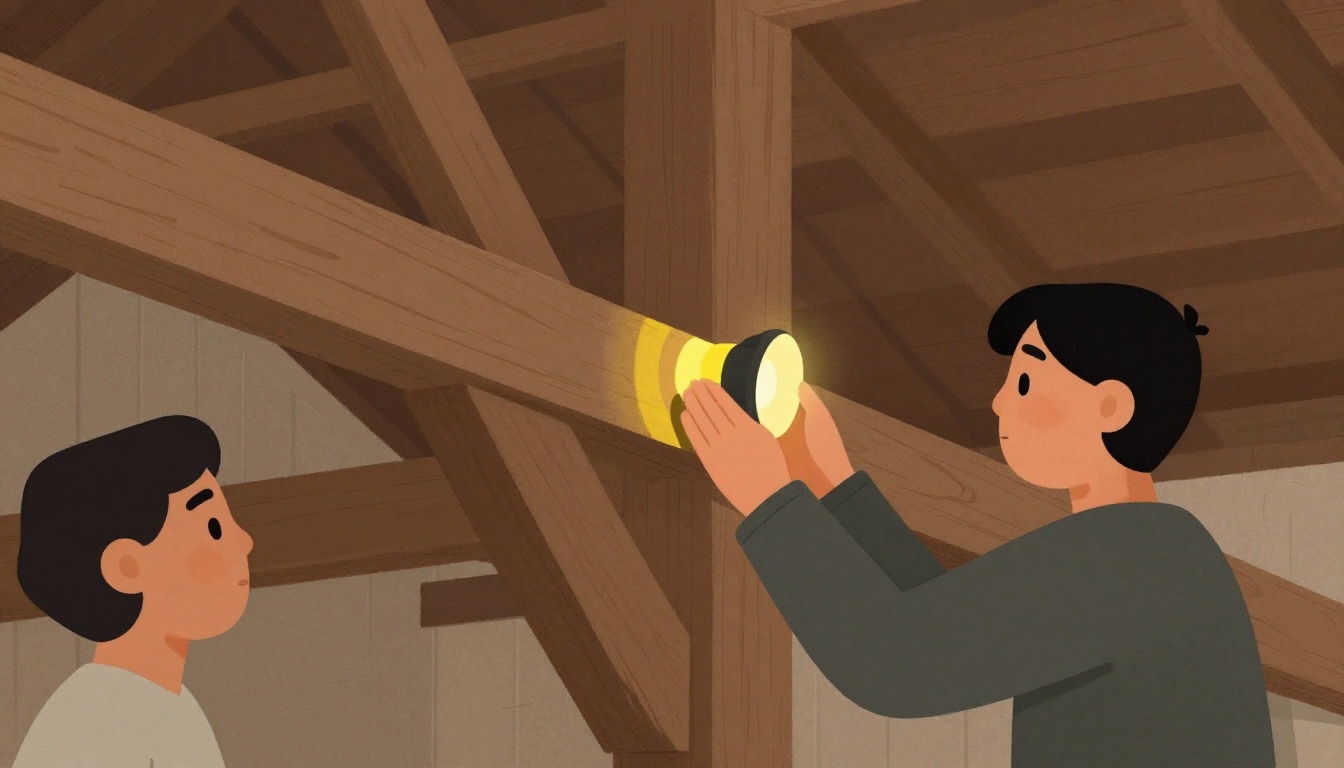
Start your inspection outside. Check the foundation for cracks, settlement, or shifting. Look for signs of water damage or erosion around the base. According to structural safety guidelines, you should inspect for cracks, rust, or corrosion on steel beams and columns, and check wooden beams and columns for rot, insect damage, or warping (eAuditor Structural Safety Inspection Checklist).
Inside, examine support columns and load-bearing walls for buckling, compression cracking, or spalling concrete. Exposed rebar or rust strains indicate serious deterioration that requires professional evaluation. Check expansion and control joints for signs of failure, and ensure drainage systems are clear to prevent standing water that can undermine the foundation.
Electrical and fire safety
Barns present unique fire and electrical hazards. The National Fire Protection Association (NFPA) emphasizes that inspecting your barn and outbuildings for fire hazards reduces the risk of tragic loss (NFPA Barn Fire Safety Tip Sheet).
Use only equipment rated for barn environments. Install ground fault circuit interrupters (GFCIs) in all wet areas. Keep electrical cords away from horse areas and replace any frayed or damaged wiring immediately. Ensure light switches are accessible and clearly marked, and replace burned-out bulbs promptly. Install emergency lighting systems where possible.
Stall and aisle safety
The stall is where horses spend most of their time, so eliminating hazards here is critical. Check latches and hinges regularly for proper function and security. Ensure all bolts and screws are tight and not protruding. Remove or cover any sharp edges on metal fixtures. Install rounded corners on feed buckets and water containers. Position electrical outlets and switches outside of a horse's reach (NASC Essential Barn Safety Checklist).
Maintain level, non-slip flooring surfaces free of holes or uneven areas. Provide adequate drainage to prevent standing water and use appropriate bedding depth to cushion impact. Ensure adequate lighting in all stall areas and maintain clear sight lines for monitoring horses.
In aisles and common areas, keep equipment, feed bags, and tools stored in designated areas. Store sharp objects like pitchforks and shovels safely. Maintain consistent traffic patterns to reduce confusion and ensure adequate width for safe horse movement.
Your actionable barn safety checklist
Use this checklist during your next walk-through:
- Foundation: check for cracks, settlement, or water damage
- Walls and columns: inspect for rot, insect damage, or corrosion
- Roof and beams: look for sagging, leaks, or structural distress
- Electrical: verify GFCIs, condition of cords, and proper fixtures
- Fire safety: confirm clear exits, working smoke alarms, and accessible extinguishers
- Stalls: check hardware, flooring, and sharp edges
- Aisles: ensure clear pathways and proper storage of tools
- Drainage: confirm no standing water or clogged drains
- Lighting: replace burned-out bulbs and test emergency lights
Quiz: test your barn safety knowledge
Before you head out to the barn, check your understanding of key safety principles.
Question: What is the recommended electrical safety device for all wet areas in a barn?
- Ground fault circuit interrupter (GFCI)
- Standard circuit breaker
- Surge protector
Correct answer: Ground fault circuit interrupter (GFCI) — these are required in wet areas to prevent electrical shock and are a standard recommendation from fire safety experts.
How the Resident Expert Can Help
Randi Thompson, founder of the Equine Safety and Success Network (ESSN), brings over 45 years of hands-on equine experience to help barn owners and operators implement effective safety standards, risk management, and operational protocols. Through the Equine Safety and Success Guide (ESSG), she provides practical resources for evaluating and improving your facility's safety practices. Visit Randi Thompson Live to learn more about her consulting and expert witness services.