Which of the following is true about state equine activity liability acts?
Select one answer.
Understanding visitor liability at equestrian facilities
When a visitor is injured at your horse facility, the legal outcome depends on several factors, including your state's equine activity liability act, whether the injured person was a participant or spectator, and your own diligence in posting warnings and maintaining safe premises. Without a clear risk management plan, a single incident can lead to costly litigation.
How state equine liability acts protect facility owners
Most states have enacted equine activity liability acts that shield facility owners from claims arising from the inherent risks of equine activities. For example, Florida's Equine Activity Liability Act generally protects equine professionals and facility owners when an injury results from inherent risks such as a horse kicking, bucking, or bolting (Florida Statutes Chapter 773). Similarly, Ohio's Equine Liability Act states that an equine sponsor or professional is not liable for harm resulting from inherent risks of equine activities (Animal Legal & Historical Center).
However, these laws are not blanket immunity. In Florida, you can still be held liable if you provided faulty equipment, failed to match a horse to a rider's skill level, knew about a dangerous hidden condition and did not post warnings, or acted with negligence or willful disregard for safety (Gueronniere Law).
Participants vs. spectators: a critical distinction
Equine liability acts typically apply to "participants" who engage in equine activities, but not necessarily to spectators. Under Florida law, the term "engages in an equine activity" does not include being a spectator unless the spectator places themselves in an unauthorized area (Florida Statutes Chapter 773). Virginia law similarly excludes spectators except when they enter an unauthorized area in immediate proximity to an equine (Code of Virginia).
This means that a person simply watching a lesson or walking through the barn aisle may not be covered by the liability shield. In one Michigan case, a court ruled that the state's equine activity liability act applied to a visitor who was bitten while walking down a barn aisle, but outcomes vary by jurisdiction (Foster Swift Equine Law Blog).
Essential risk management steps
1. Post required warning signs
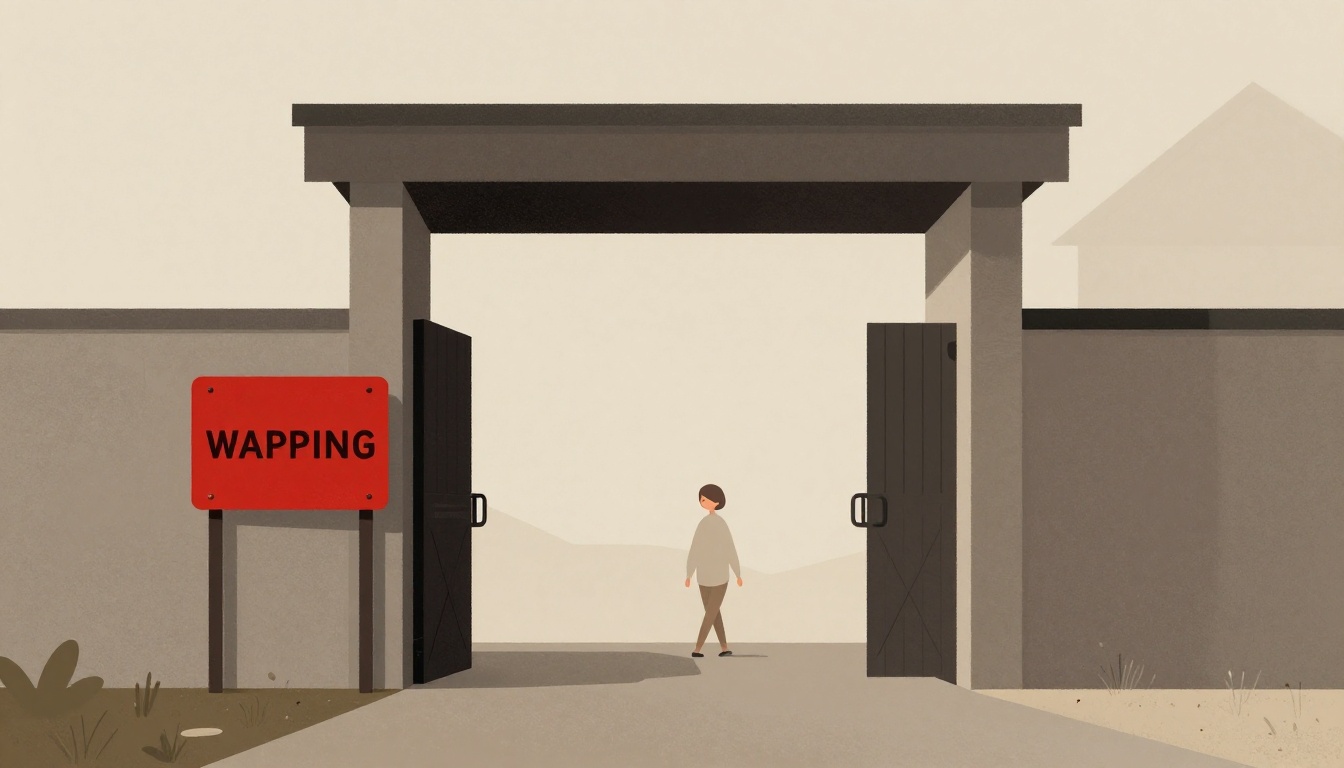
Most state laws require you to display conspicuous warning signs at all points of entry and ticket sales. New York's safety in agricultural tourism act, for example, requires operators to post a "Warning to Visitors" about inherent risks at every point of sale or distribution of tickets (Animal Legal & Historical Center). Check your state's specific requirements and ensure signs are visible and legible.
2. Use strong liability waivers
A well-drafted liability release is your first line of defense. The waiver should clearly state that visitors assume all inherent risks of equine activities, including the propensity of horses to kick, bite, shy, buck, stumble, bolt, or rear (Smartwaiver example). For minor children, include a parental acknowledgment and indemnity clause as permitted by state law.
3. Obtain proper insurance coverage
Commercial general liability insurance is foundational, but many standard policies exclude horse-related injuries unless supplemented with an equine liability endorsement (Ward and Smith). A $1 million liability limit is standard for most boarding and training operations (FirstMark Insurance). If you board horses owned by others, you also need Care, Custody, and Control (CCC) insurance to cover injury or death to those horses.
4. Maintain safe premises
Regularly inspect your facility for hidden hazards such as uneven footing, broken fencing, or loose equipment. Document your inspections. If you discover a dangerous condition, either fix it immediately or post clear warnings. Failure to address known hazards can void your protection under state liability acts.
5. Train your staff
Ensure all employees understand the limits of your liability protection and know how to respond if a visitor is injured. Staff should be trained to direct visitors to designated safe areas and to enforce rules about unauthorized access.
Quiz: Test your knowledge
Which of the following is true about state equine activity liability acts?
- They provide blanket immunity for all injuries at equestrian facilities.
- They generally protect facility owners from claims based on inherent risks of equine activities, but with exceptions for negligence and hidden hazards.
- They only apply to spectators, not participants.
How the Featured Expert Can Help
Randi Thompson, founder of the Equine Safety and Success Network (ESSN), brings over 45 years of equine industry experience to help facility owners navigate visitor liability risks. Through the Equine Safety and Success Guide (ESSG), she provides practical guidance on safety standards, risk management, and operational protocols. Visit Randi Thompson Live to learn how her consulting services can strengthen your facility's risk management program.